
9 Things To Never Tip Down Your Kitchen Sink
9 Things You Should Never Pour Down Your Kitchen Sink (A Plumber’s Guide)
Kitchen sink already blocked? Call 0420 646 641 for same-day drain clearing across Melbourne.
Licensed & Insured • 5-Star Google Rating • No Call-Out Fee • 10+ Years Experience
$ 50 OFF
Your First Service
10% OFF
Seniors Discount
Free CCTV
Drain Inspection
From $99
Blocked Drains
As plumbers who clear blocked kitchen drains every week across Melbourne, we see the same culprits over and over. Cooking oil that’s solidified inside a pipe. Coffee grounds packed into a P-trap. Rice that’s swollen up and created a plug.
The truth is, most kitchen sink blockages are completely preventable. Knowing what should never go down your drain and how to dispose of it properly can save you hundreds of dollars in plumbing repairs.
Here are the 9 most common items that cause blocked kitchen drains, why they’re a problem, and what to do instead.
Need your blocked kitchen drains sorted now? Call 0420 646 641 for same-day service.
The 9 Items (Restructured with Plumber’s Ratings)
Each item below includes a plumber’s damage rating, an explanation of WHY it causes problems (not just that it does), and the correct disposal method. This structure differentiates itself from every competitor.
Cooking Oil, Fats & Grease
Drain damage risk: SEVERE — the #1 cause of blocked kitchen sinks
Cooking oil, butter, lard, and meat fat are liquid when hot but solidify as they cool inside your pipes. Over time, they coat the inside walls of the pipe, trapping other debris and gradually narrowing the flow until the drain blocks completely. This is by far the most common cause of kitchen drain blockages we see in Melbourne homes.
Dispose of it properly: Let oil and fat cool in the pan, then wipe with a paper towel and put in the bin. For larger amounts, pour into a jar or can, let it solidify, and throw it in the general waste.
Cooking Oil, Fats & Grease
Drain damage risk: SEVERE — the #1 cause of blocked kitchen sinks
Cooking oil, butter, lard, and meat fat are liquid when hot but solidify as they cool inside your pipes. Over time, they coat the inside walls of the pipe, trapping other debris and gradually narrowing the flow until the drain blocks completely. This is by far the most common cause of kitchen drain blockages we see in Melbourne homes.
Dispose of it properly: Let oil and fat cool in the pan, then wipe with a paper towel and put in the bin. For larger amounts, pour into a jar or can, let it solidify, and throw it in the general waste.
Bleach & Chemical Drain Cleaners
Drain damage risk: MODERATE — damages pipes without clearing blockages
Despite what many people think, pouring bleach down the drain does NOT effectively unblock a clogged pipe. Bleach is a disinfectant, not a degreaser; it can’t dissolve fats, food, or grease that cause kitchen blockages.
What bleach DOES do is sit in your P-trap (the curved pipe under your sink) and corrode the pipe material over time. It can react with other chemicals already in the drain, potentially releasing toxic fumes. It also contaminates wastewater, which in Melbourne is processed and eventually recycled.
The bottom line: Don’t pour bleach down the kitchen sink as a drain cleaner. If you need to disinfect your sink, a small amount of diluted bleach rinsed with plenty of water is acceptable — but it won’t fix a blockage. If your drain is slow or blocked, call a plumber rather than reaching for chemicals.
Also avoid: Commercial chemical drain cleaners (Drano, etc.). These are caustic and can damage PVC and older pipes. A plumber with a drain snake or high-pressure jetter is safer and more effective.
Coffee Grounds
Drain damage risk: HIGH — clumps inside pipes and doesn’t dissolve
Coffee grounds seem small and harmless, but they don’t dissolve in water. Instead, they clump together and pack into pipe joints and bends, gradually forming a dense blockage. Plumbers consistently cite coffee grounds as one of the top causes of kitchen drain clogs.
Dispose of it properly: Compost them (excellent for gardens), put them in the bin, or use them as a natural deodoriser. Never rinse them down the sink.
Egg Shells
Drain damage risk: MODERATE — sharp fragments catch on existing buildup
Egg shells don’t break down easily in water. The small, sharp fragments stick to grease and other debris already lining the inside of your pipes, accelerating blockage formation. The thin membrane inside the shell is particularly problematic as it can wrap around other waste.
Dispose of it properly: Bin or compost. Crushed eggshells are excellent for garden soil.
Rice, Pasta & Starchy Foods
Drain damage risk: HIGH — absorbs water and swells inside pipes
Cooked rice and pasta continue to absorb water after they enter your drain. They swell, become sticky, and cling to pipe walls. Even small amounts that slip through while draining can accumulate over time and contribute to a stubborn blockage. Use a sink strainer when draining pasta water.
Dispose of it properly: Scrape it into the bin or compost before washing dishes. Use a fine mesh sink strainer to catch stray pieces.
Flour
Drain damage risk: HIGH — creates a paste that seals pipes
Flour mixed with water creates a thick, glue-like paste, the same principle used in papier-mâché. Inside your pipes, this paste coats surfaces and sets, creating a blockage that’s very difficult to clear without professional tools. Even small amounts of flour rinsed down the sink can cause problems over time.
Dispose of it properly: Wipe excess flour into the bin. If you’ve been baking, scrape bowls and surfaces clean before rinsing.
Fruit Pips, Seeds & Fibrous Vegetables
Drain damage risk: MODERATE — don’t break down and can lodge in pipes
Seeds, pips, and fibrous vegetable matter (celery strings, corn husks, onion skins) don’t break down in water. Seeds can swell and become lodged at pipe bends. Fibrous material wraps around other debris, creating nets that trap further waste.
Dispose of it properly: Bin or compost. Use a sink strainer to catch any stray pieces.
Food Scraps (General)
Drain damage risk: HIGH — cumulative buildup is the silent killer
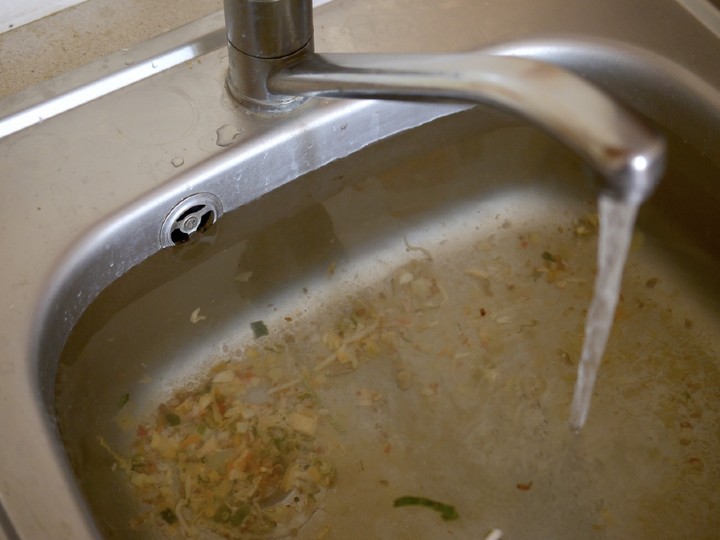
It’s tempting to push small bits of food through the drain grate while washing up, but this is the single most common cause of gradual kitchen drain blockages. Every small piece adds to the buildup inside your pipes. Over weeks and months, this accumulation narrows the pipe until water can barely pass through.
Best practice: Invest in a $5 sink strainer. It catches food debris before it enters your drain. Empty it into the bin after each wash. This one habit prevents more blocked kitchen drains than anything else.
Medications & Chemicals
Drain damage risk: LOW for pipes, but harmful to the water supply
Medications won’t typically block your drain, but they dissolve into the water supply and cannot always be fully filtered out at the treatment facility. Antibiotics, hormones, and other pharmaceuticals in the water supply are a growing environmental concern.
Dispose of it properly: Return unused medications to your pharmacy. Most pharmacies in Melbourne accept old medications for safe disposal.
Already poured something you shouldn’t have down the drain? If your kitchen sink is draining slowly or blocked, call us on 0420 646 641. We’ll clear it fast — no call-out fee during business hours.
What to Do If Your Kitchen Sink Is Already Blocked
If your kitchen sink is already draining slowly or completely blocked, here’s what to try before calling a plumber:
- Remove standing water from the sink with a cup or bowl.
- Try a plunger. Place the plunger over the drain, ensure a good seal, and plunge several times firmly. This can dislodge minor blockages.
- Try baking soda + vinegar. Pour half a cup of baking soda into the drain, followed by half a cup of white vinegar. Let it fizz for 15–20 minutes, then flush with hot (not boiling) water.
- Check the P-trap. Place a bucket underneath, unscrew the P-trap, and clear any debris. This is where most kitchen blockages sit.
What NOT to do:
- Don’t pour boiling water down PVC pipes, as it can warp them, especially in winter when pipes are cold
- Don’t use chemical drain cleaners; they’re caustic and can damage your pipes
- Don’t try to disassemble plumbing beyond the P-trap unless you know what you’re doing
If none of these methods works, the blockage is likely deeper in the pipe system and needs professional equipment. A blocked drain plumber with a drain snake or high-pressure jetter can clear it quickly without risking further damage.
Tried everything and still blocked? Call Select Plumbing on 0420 646 641. Same-day kitchen drain clearing across Melbourne. No call-out fee during business hours.
5 Signs Your Kitchen Drain Needs Attention
- Water drains more slowly than usual – The earliest sign of a developing blockage. If water pools in the sink while you’re washing up, a buildup is forming inside the pipe.
- Gurgling sounds – Air trapped by a partial blockage creates gurgling or bubbling noises when water drains. This means the pipe is narrowing.
- Unpleasant smells – Food and grease stuck in your pipes will start to decompose, producing a foul odour from the drain. If cleaning the sink surface doesn’t fix the smell, the problem is inside the pipe.
- Water backing up – If water comes back up into the sink or rises in the adjacent basin, the blockage has progressed significantly and needs clearing.
- Fruit flies or drain flies – Small flies hovering around your sink are often attracted to organic matter decomposing inside the drain. This is a sign of buildup that needs addressing.
If you notice any of these signs, don’t wait until the drain blocks completely. Early intervention is always cheaper and easier than an emergency call-out.
How to Prevent Kitchen Sink Blockages
- Use a sink strainer ($5 from any hardware store) to catch food debris
- Scrape plates and pans into the bin BEFORE washing
- Wipe oily pans with a paper towel before rinsing
- Run hot (not boiling) tap water through the drain for 30 seconds after doing dishes
- Monthly maintenance: pour baking soda + vinegar down the drain, let sit 15 minutes, flush with hot water
- Never pour cooking oil down the drain, let it cool and bin it

Kitchen Sink Already Blocked? Here’s What to Do
Need help with a blocked kitchen drain in Melbourne? Select Plumbing clears kitchen sink blockages fast — same-day service, no call-out fee during business hours.
Frequently Asked Questions – Blocked Kitchen Sink
Can you pour bleach down the kitchen sink?
It’s not recommended. While a small amount of diluted bleach rinsed with plenty of water won’t immediately damage your pipes, bleach is not an effective drain cleaner. It can’t dissolve grease, food, or other common causes of blocked kitchen drains. Over time, bleach can corrode pipes and react with other chemicals in the drain, potentially creating toxic fumes. If your drain is blocked, call a plumber rather than using bleach or chemical cleaners.
Can you put eggshells down the sink?
No. Egg shells don’t break down in water, and their sharp fragments can catch on grease and debris already inside your pipes, contributing to blockages. The thin membrane inside the shell is particularly problematic. Always dispose of egg shells in the bin or compost.
What do you do if your kitchen sink is clogged with food?
Start by removing standing water, then try a plunger. If that doesn’t work, try baking soda and vinegar (half a cup each, let fizz for 15 minutes, flush with hot water). You can also check and clean the P-trap under the sink. Avoid using chemical drain cleaners. If the blockage persists, call a licensed plumber who can clear it with professional equipment.
Is it OK to pour coffee grounds down the drain?
No. Coffee grounds don’t dissolve in water; they clump together and pack into pipe joints and bends, creating dense blockages. Compost them, add them to your garden, or put them in the bin.
Can you pour cooking oil down the kitchen sink?
Never. Cooking oil is the #1 cause of blocked kitchen drains. It’s liquid when hot, but solidifies as it cools inside your pipes, coating the walls and gradually narrowing the flow until the drain blocks. Let the oil cool in the pan, wipe with a paper towel, and dispose of it in the bin.
How do I unblock a kitchen sink without chemicals?
Try these methods in order: (1) Plunger, (2) Baking soda + vinegar + hot water, (3) Clean the P-trap under the sink. If none of these work, the blockage is likely deeper in the pipe and needs a professional plumber with a drain snake or high-pressure jetter. Avoid boiling water on PVC pipes and never use chemical drain cleaners.
Need your blocked kitchen sink to be fixed ASAP!
