
Pressure Limiting Valves (PLV)
Pressure Limiting Valve Installation & Replacement Melbourne
Protect your pipes, appliances, and hot water system from high water pressure damage. Licensed PLV installation with same-day service available.
Licensed & Insured • 5-Star Google Rating • No Call-Out Fee • 10+ Years Experience • Australian Standards Compliant
$ 50 OFF
Your First Service
10% OFF
Seniors Discount
Free CCTV
Drain Inspection
From $99
Blocked Drains
What Is a PLV and Why Does Your Home Need One?
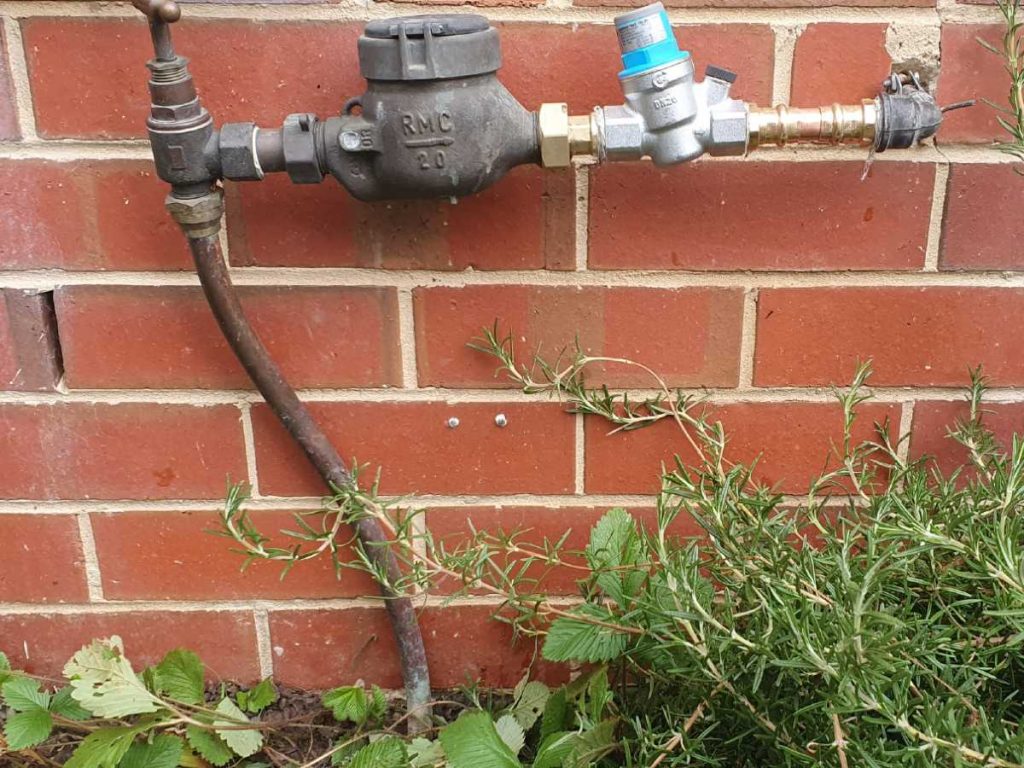
A pressure limiting valve (PLV), also called a pressure reducing valve or pressure regulator, is a device installed on your main water line that automatically reduces incoming water pressure to a safe level before it reaches your home’s pipes, fixtures, and appliances.
Water supply pressure from the mains can be significantly higher than what your home’s plumbing is designed to handle. In parts of Melbourne, mains pressure regularly exceeds 600–700 kPa, well above the Australian Standard maximum of 500 kPa for internal plumbing. Without a PLV, that excess pressure puts constant strain on every pipe, tap, appliance, and fitting in your home.
How it works: The PLV is installed near your water meter at the front of the property. When incoming pressure exceeds the set limit (typically 350–500 kPa), the valve partially closes to restrict flow. When pressure drops, it opens again. This keeps your internal water pressure steady and safe, regardless of fluctuations in the mains supply.
Not sure if your water pressure is too high? We’ll test it for free when we visit. Call 0420 646 641.
5 Signs Your Water Pressure Is Too High (And You Need a PLV)
Many Melbourne homeowners don’t realise their water pressure is too high until something breaks. Here are the warning signs:
Water hammer (banging pipes)
A loud banging or thumping noise when you turn off a tap or when your washing machine changes cycle. This is caused by high-pressure water slamming against closed valves. It’s not just annoying; it damages pipe joints and fittings over time.
Leaking taps and fixtures
If your taps drip constantly, even after replacing washers, high water pressure is often the cause. Excess pressure wears out tap seats, cartridges, and seals much faster than normal.
Running or leaking toilets
High pressure can force water past the fill valve in your toilet cistern, causing it to run continuously or leak into the bowl. This wastes water and increases your bill.
Hot water system failing prematurely
Hot water systems are particularly vulnerable to high pressure. Excess pressure causes the temperature and pressure relief (TPR) valve to discharge frequently, and can shorten the life of your hot water unit by years. Many hot water system warranties are voided if water pressure exceeds the manufacturer’s limit.
Appliance issues (dishwasher, washing machine)
If hoses are bursting, connections are leaking, or appliances seem to wear out too quickly, high water pressure could be the underlying cause. Most household appliances have a maximum rated inlet pressure, typically around 350–500 kPa.
The Hidden Cost of Ignoring High Pressure
High water pressure doesn’t just cause inconvenience; it causes compounding damage. A $451–$600 PLV installation can prevent thousands of dollars in burst pipe repairs, appliance replacements, water damage, and higher water bills. It also protects your appliance warranties.
Is a Pressure Limiting Valve Required by Law in Melbourne?
Yes. Under the Plumbing Code of Australia and AS/NZS 3500.1, water pressure at any outlet inside a building must not exceed 500 kPa. If your mains supply exceeds this limit, a PLV is mandatory.
This requirement applies to all new buildings, extensions, and renovation work. The Victorian Building Authority (VBA) has specifically reminded licensed Melbourne plumbers that failure to install a PLV when required is non-compliant and can result in enforcement action.
What this means for you:
- If you’re building or renovating, your plumber MUST install a PLV if mains pressure exceeds 500 kPa.
- If you have an older Melbourne home without a PLV, you’re not legally required to retrofit one, but it’s strongly recommended to protect your plumbing and appliances.
- If your plumber installs a new hot water system without checking/installing a PLV, they may be non-compliant.
- Appliance warranties (hot water systems, dishwashers, washing machines) may be voided if water pressure exceeds the manufacturer’s rated maximum.
Is Your Pressure Limiting Valve Leaking or Failing?
A PLV does not last forever. Most quality valves run 7 to 15 years before the internal spring and diaphragm wear out, and in areas with harder water or heavy sediment, they can go sooner. The catch is that a failing PLV rarely announces itself. It usually shows up as something else going wrong around the house.
Signs your PLV has failed
- Water dripping or weeping from the valve body near your water meter
- Pressure creeping back up, with banging pipes or dripping taps returning after years of being fine
- Pressure dropping off across the whole house, with weak showers and slow-filling sinks
- Pressure swinging between strong and weak through the day
- A hissing or whistling sound coming from the valve itself
- Water pooling around the meter box with no other obvious source
Why a failed PLV is worth fixing quickly
A valve that has failed open is letting full mains pressure into your home, which puts every pipe joint, tap seat, flexi hose and appliance inlet back under the strain the valve was fitted to prevent. A valve that has failed closed starves the house of flow. Neither state is stable, and both tend to get worse rather than settle.
What we do about it
We test pressure on both sides of the valve to confirm whether it is still regulating. If the valve is sound but set wrong, we adjust it. If the internals have gone, we replace it with an adjustable valve and set the output to suit your fixtures. Replacement is usually a one- to two-hour job, and we carry the common sizes on the van. Pricing for replacement is in the cost table above.
Pressure Limiting Valve Cost: What to Expect in Melbourne
This is the #1 question homeowners ask. Here’s a realistic guide:
| Service | Typical Cost Range | Includes |
| PLV installation (new) | $451– $600 | Valve + labour + testing |
| PLV replacement (existing) | $250 – $500 | New valve + labour + testing |
| Pressure test only | Free – $100 | Gauge reading + assessment |
| PLV + hot water system install | Bundled pricing | Often included with an HWS job |
Costs vary depending on the valve type (adjustable vs fixed), accessibility of your water meter, and whether any pipe modifications are needed. We provide upfront fixed quotes with no surprises.
Important: Be wary of quotes over $700 for a standard PLV installation. The valve itself typically costs $80–$150, and installation is usually a straightforward 1–2 hour job. If you’ve been quoted significantly more, get a second opinion.
Get a free, no-obligation PLV quote. We’ll test your pressure and provide an upfront price before any work begins. Call 0420 646 641.
PLV or PRV: Is There Actually a Difference?
In Australian plumbing, these two terms get used interchangeably, and in most conversations they describe the same device.
A pressure limiting valve and a pressure reducing valve both sit on your incoming water line and both bring mains pressure down to a safe level for the house.
Where it gets confusing is that PRV also gets used as shorthand for pressure relief valve, which is a completely different thing. A pressure relief valve is a safety device that discharges water when pressure or temperature climbs too high, and you will normally find one on your hot water system rather than out at the meter.
The quick way to tell which one you need
Ask where it is going. If the answer is the mains line at the water meter, you are talking about a pressure limiting or reducing valve. If the answer is the hot water unit, you are talking about a relief valve. Those are different jobs with different parts and different costs, so it is worth clarifying before you accept a quote.
Term | What it does | Where it sits |
|---|---|---|
Pressure limiting valve (PLV) | Reduces incoming mains pressure to a set level | Cold water line at the water meter |
Pressure reducing valve (PRV) | The same device under a different name | Cold water line at the water meter |
Pressure relief valve | Discharges water to release excess pressure | Usually on the hot water system |
Temperature and pressure relief valve (TPR) | Discharges on excess heat or pressure | On the hot water tank |
Why Choose Select Plumbing for PLV Installation | |
✓ Free pressure test with every quote | ✓ Same-day installation available |
✓ Upfront fixed pricing, no surprises | ✓ Licensed & fully insured |
✓ Australian Standard compliant | ✓ Adjustable valves for optimal pressure |
✓ 10+ years Melbourne experience | ✓ Lifetime warranty on workmanship |
✓ 5-Star Google Rating (80+ reviews) | ✓ No call-out fee (business hours) |
PLV Installation: What to Expect
Step 1: Pressure Test
We attach a pressure gauge to your water meter outlet and measure the static pressure from the mains supply. If it exceeds 500 kPa, a PLV is recommended or required.
Step 2: Valve Selection
We recommend an adjustable pressure-limiting valve for most Melbourne homes. This allows us to fine-tune the output pressure to suit your property’s needs, typically set between 350–500 kPa. We use quality Australian-standard valves from trusted brands.
Step 3: Installation
The PLV is installed on the cold water line, usually near your water meter at the front of the property. We cut into the main supply line, fit the valve, and connect everything securely. The job typically takes 1–2 hours.
Step 4: Testing & Handover
After installation, we re-test the pressure on both sides of the valve to confirm it’s reducing correctly. We’ll show you the before and after readings and explain how the valve works. We also check for any existing leaks that high pressure may have already caused.
Ready to Get Your Water Pressure Under Control?
- Same-Day Service
- Licensed & Insured
- Clear Pricing, No Surprises
0420 646 641
Frequently Asked Questions About Pressure Limiting Valves
What does PLV stand for in plumbing?
PLV stands for Pressure Limiting Valve. It’s a device installed on your main water line that reduces incoming water pressure to a safe level (below 500 kPa) to protect your home’s pipes, fixtures, and appliances.
How does a pressure-limiting valve work?
A PLV uses an internal spring-loaded mechanism to regulate water pressure. When incoming pressure exceeds the set limit, the valve partially closes to restrict flow. When pressure drops, it opens to allow more water through. This keeps your internal water pressure steady regardless of mains supply fluctuations.
Is a pressure limiting valve mandatory in Melbourne?
Yes, for new buildings, extensions, and renovation work. Under AS/NZS 3500.1, water pressure at any outlet inside a building must not exceed 500 kPa. If your mains supply exceeds this, a PLV must be installed. The Victorian Building Authority enforces this requirement.
What is the maximum water pressure allowed in a house in Australia?
Under Australian Standards (AS/NZS 3500.1), the maximum static water pressure at any outlet inside a building must not exceed 500 kPa. Pressures above this can cause water hammer, appliance damage, reduced fixture lifespan, and excessive noise.
How much does a pressure-limiting valve cost to install?
In Melbourne, PLV installation typically costs between $451 and $600, depending on the valve type, accessibility, and any pipe modifications needed. Replacement of an existing PLV is usually $250–$500. We provide free quotes with no call-out fee during business hours.
Will a PLV reduce my shower pressure?
No. A PLV reduces pressure, not flow. Your shower will still feel strong and comfortable. With an adjustable PLV, we set the output pressure to provide safe, satisfying water pressure for all fixtures in your home.
How long does a pressure limiting valve last?
Most quality PLVs last 7–15 years, depending on water quality and usage. We recommend having your water pressure tested every few years to ensure your PLV is still functioning correctly. If it’s failing, replacement is a quick and affordable job.
Can high water pressure void my appliance warranty?
Yes. Many manufacturers of hot water systems, dishwashers, washing machines, taps, and shower fixtures specify a maximum inlet pressure. If your water pressure exceeds their rated limit and causes damage, the warranty may not cover it. Installing a PLV ensures your appliances operate within warranty conditions.
Need a Pressure Limiting Valve to be Installed!
