Already Have Tree Roots In Your Drains? Call 0420 646 641 For Same-day Tree Root Clearing
Best and Worst Trees to Plant Near Your House in Australia (Drain Safety Guide)
Which trees are safe for your pipes, and which ones will cost you thousands in blocked drain repairs? A Melbourne plumber’s guide to protecting your drainage system.
Why Your Choice of Trees Can Make or Break Your Drains
Trees are one of the best things you can add to your property. They provide shade, boost your home’s value, support local wildlife, and help manage rainfall. But beneath the surface, the wrong tree planted in the wrong spot can cause serious and expensive damage to your plumbing.
Tree roots naturally seek out water and nutrients. Your underground drainage and sewer pipes are a constant source of both. Over time, roots find their way into even the smallest cracks in pipes, especially older clay and earthenware pipes common in Melbourne’s inner suburbs like Brunswick, Coburg, Preston, and Essendon. Once inside, they grow rapidly, creating blockages that can cause sewage backups, flooding, and costly emergency repairs.
This guide covers which trees are safe to plant near your house and drains in Australia, which trees to avoid, and what to do if you suspect tree roots have already infiltrated your pipes.
Quick Guide: Planting Distances from Pipes
Large trees (10m+ mature height): Plant at least 10 metres from drains and sewer lines. Medium trees (5–10m): At least 5–6 metres from pipes. Small trees and shrubs (under 5m): Minimum 3 metres from any water asset. Before planting, contact Dial Before You Dig (1100.com.au) to locate underground pipes on your property.
Not sure where your drains are? We can locate and inspect your pipes with a CCTV drain camera before you plant. Call 0420 646 641 for a free quote.
5 Trees That Are Safe to Plant Near Your House and Drains in Australia
These trees have non-invasive or shallow root systems and are suitable for planting in domestic gardens across Melbourne without posing a significant risk to your drainage system.
Peppermint Tree (Agonis flexuosa)
Drain safety: Low risk — shallow, non-aggressive root system

The Weeping Peppermint Tree is a favourite street and garden tree across Melbourne for good reason. It grows to around 8–10 metres, provides excellent shade, and has a pleasant minty fragrance when the leaves are crushed. Most importantly for homeowners, its root system is relatively shallow and non-invasive, making it a safe choice for gardens with underground pipes nearby.
Best suited for medium to large gardens. Plant at least 5 metres from sewer lines as a precaution.
Alstonville / Tibouchina (Tibouchina lepidota)
Drain safety: Low risk — compact, controlled root system

The Alstonville Tibouchina is a medium-sized tree known for its striking purple flowers that bloom through summer. It grows to around 5–8 metres and has a compact, well-behaved root system that is unlikely to cause problems with drains or sewer pipes. It’s an excellent choice for adding colour to your garden without risking your plumbing.
Japanese Maple (Acer palmatum)
Drain safety: Very low risk — shallow, fine root system
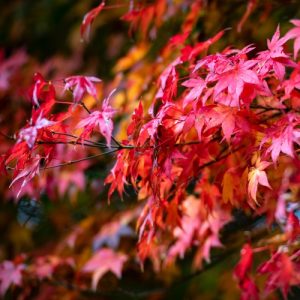
Japanese Maples are one of the safest trees you can plant near your house. They rarely exceed 5 metres in height, and their roots are shallow, fine, and non-invasive. They offer stunning autumn colour in shades of orange, red, and gold. Japanese Maples are particularly well-suited to courtyard gardens and small spaces close to the house.
Downy Serviceberry (Amelanchier arborea)
Drain safety: Low risk — moderate, non-aggressive root system

Serviceberry trees are highly adaptable and grow to around 5–8 metres. They produce small edible fruits that attract birds, and their foliage transitions from deep green in summer to vibrant reds, oranges, and yellows in autumn. Their root system is moderate and unlikely to seek out drains or sewer pipes.
Feijoa (Acca sellowiana)
Drain safety: Very low risk — non-invasive, compact root system

The Feijoa is a small, hardy tree that doubles as a hedge or windbreak. It’s pest and disease-resistant, produces tasty fruit, and — most importantly — has a non-invasive root system. It’s one of the safest options for planting near sewer pipes and drainage lines. Ideal for smaller Melbourne gardens.
Planning to plant near your property’s drains? A quick CCTV drain inspection can show you the exact location and condition of your pipes before you dig. Call Select Plumbing on 0420 646 641 for free quotes during business hours.
6 Trees That Can Damage Your Drains and Sewer Pipes
These trees have aggressive, water-seeking root systems that frequently cause blocked drains, cracked pipes, and expensive plumbing repairs. If you already have one of these trees near your property, it’s worth getting your drains inspected.
Illawarra Flame Tree (Brachychiton acerifolius)
Drain risk: HIGH — aggressive, spreading root system

The Flame Tree is an iconic Australian tree with stunning red flowers, but its root system is extensive and aggressive. Roots spread well beyond the tree’s canopy and actively seek out water in pipes and drainage lines. In Melbourne, we regularly clear Flame Tree roots from blocked drains in older suburbs where clay pipes are still in use.
Jacaranda (Jacaranda mimosifolia)
Drain risk: HIGH — invasive roots that target sewer pipes

Jacarandas are one of Australia’s most popular and beautiful street trees, but they’re also one of the worst for your drains. Their root systems are aggressive and specifically drawn to the moisture in sewer and stormwater pipes. Once roots penetrate a crack, they grow rapidly inside the pipe, creating dense blockages that can cause sewage to back up into your property. If you have a Jacaranda within 10 metres of your house, we strongly recommend a CCTV drain inspection to check for root intrusion.
Camphor Laurel (Cinnamomum camphora)
Drain risk: VERY HIGH — massive, aggressive root system

Camphor Laurels have one of the most aggressive root systems of any tree commonly found in Australian gardens. Their roots can extend enormous distances from the trunk, damaging not just drains but foundations, footpaths, and retaining walls. They also outcompete native species. If you’ve inherited a Camphor Laurel on your property, getting your drains checked is essential.
Lombardy Poplar (Populus nigra ‘Italica’)
Drain risk: HIGH — fast-growing, water-seeking roots

Lombardy Poplars grow extremely fast, and their root systems match their pace. Roots aggressively seek out water sources, making sewer and stormwater pipes prime targets. They’re also high-maintenance trees that drop leaves, twigs, and attract pests. The combination of invasive roots and constant debris makes them one of the worst choices near a house.
Weeping Willow (Salix babylonica)
Drain risk: EXTREME — roots can extend 3x the tree’s height

Weeping Willows are perhaps the single worst tree you can have near any drainage system. Their roots are among the most aggressive of any tree species, capable of extending up to three times the tree’s height underground. They actively hunt for moisture, and a single Willow can send roots 30+ metres from its trunk. If you have a Weeping Willow anywhere on your property, regular drain inspections are essential.
Already Have One of These Trees Near Your House?
If you have a Jacaranda, Flame Tree, Willow, Poplar, Camphor Laurel, or mature Eucalyptus within 10 metres of your property, there’s a real chance that tree roots have already entered your drains. The damage often happens slowly, and you may not notice until the drains start backing up. A CCTV drain inspection can detect root intrusion early, before it becomes a costly emergency.
Worried about tree roots in your drains? We’ll inspect your pipes with a CCTV camera and show you exactly what’s going on. Same-day service across Melbourne. Call 0420 646 641 or request a free quote.
How to Tell If Tree Roots Have Infiltrated Your Drains
Tree root damage doesn’t happen overnight. Roots gradually work their way into pipe joints and cracks, growing inside the pipe over months or years. By the time you notice a problem, the damage may already be significant. Here are the warning signs to watch for:
Slow-draining sinks, showers, or toilets
If water is draining more slowly than usual from multiple fixtures, it often indicates a partial blockage in the main sewer line, and tree roots are one of the most common causes in Melbourne homes.
Gurgling sounds from drains
Gurgling or bubbling noises when you flush the toilet or run a tap can indicate air trapped by a blockage. Tree roots inside pipes create exactly this type of obstruction.
Recurring blockages
If you keep having the same drain blocked over and over, even after clearing it, tree roots are a likely cause. Roots grow back into pipes after being cleared unless the pipe itself is repaired.
Foul smells from drains
A persistent sewage smell from indoor or outdoor drains can indicate that roots have created a partial blockage, allowing waste to accumulate and decompose inside the pipe.
Soggy or unusually green patches in the yard
If an area of your garden is always damp or noticeably greener than the rest, it could indicate a cracked or leaking pipe underground, often caused by root intrusion.
Sinkholes or dips in the ground
In severe cases, tree root damage can cause pipes to collapse, creating visible dips or sinkholes in your yard. This requires urgent attention.
Melbourne’s Tree Root Drain Clearing Plumbers
At Select Plumbing and Gas, tree root intrusion is one of the most common issues our plumbers deal with across Melbourne. Here’s how we handle it:
Step 1: CCTV Drain Inspection
We insert a specialised camera into your pipes to see exactly where and how badly tree roots have infiltrated. The footage provides clear evidence of the problem and helps us determine the best course of action. We can share this footage with you so you understand the full picture.
Step 2: High-Pressure Water Jetting
Our high-pressure jetter cuts through tree roots inside the pipe and flushes them out completely. This method is highly effective for clearing root blockages without damaging the pipe itself. It restores full flow and is the standard industry method for tree root removal.
Step 3: Assessment and Prevention
After clearing the roots, we re-inspect the pipe with our CCTV camera to check for any cracks, damage, or weak points where roots could re-enter. We’ll advise you on whether the pipe needs repair or replacement, or if regular maintenance and clearing are sufficient to keep your drains flowing.
Why Choose Select Plumbing for Tree Root Issues | |
✓ 5-Star Google Rating (80+ reviews) | ✓ 24/7 Emergency Service |
✓ CCTV Drain Camera Inspections | ✓ High-Pressure Root Jetting |
✓ Licensed & Fully Insured | ✓ No Call-Out Fee (Business Hours) |
✓ 10+ Years Melbourne Experience | ✓ Lifetime Warranty on Workmanship |
✓ Tree Root Removal Specialists | ✓ Free Quotes During Business Hours |
Protect Your Drains When Planting Trees
Tree roots don’t go away on their own. Let us clear your drains and protect your property from further damage.
Frequently Asked Questions – Trees and Drains
Are jacaranda tree roots invasive?
Yes, Jacarandas have aggressive, invasive root systems that actively seek out moisture in sewer and drainage pipes. If you have a Jacaranda within 10 metres of your property, we recommend getting a CCTV drain inspection to check for root intrusion. Jacaranda roots are one of the most common causes of blocked drains we see in Melbourne.
Are Illawarra Flame Tree roots invasive?
Yes, Illawarra Flame Trees have extensive, aggressive root systems that can damage drains, sewer pipes, and foundations. While they’re stunning trees with iconic red flowers, they should be planted well away from any underground infrastructure — at least 10 metres from pipes and buildings.
What are the best trees to plant near sewer pipes in Australia?
Trees with non-invasive root systems are safest for planting near a house. Good options include Japanese Maple, Peppermint Tree (Agonis flexuosa), Feijoa, Tibouchina (Alstonville), and Downy Serviceberry. These trees provide shade and beauty without threatening your underground drainage system. Always plant at least 3–10 metres from sewer pipes, depending on the tree’s mature size.
What are the best trees to plant near sewer pipes in Australia?
The safest trees to plant near sewer pipes in Australia are small to medium species with shallow, non-invasive root systems. Good choices include Feijoa, Japanese Maple, Coastal Golden Wattle, Bay Tree, and Tibouchina. Even with safe species, maintain at least 3 metres distance from sewer lines and consider installing root barriers for extra protection.
Are tibouchina roots invasive?
No, Tibouchinas (including the Alstonville variety) have relatively compact, non-invasive root systems. They’re a safe choice for planting in gardens near drainage pipes and sewer lines. They grow to a manageable 5–8 metres and produce beautiful purple flowers.
How do I know if tree roots are blocking my drains?
Common signs include slow-draining fixtures, gurgling sounds from drains, recurring blockages, foul sewage smells, soggy patches in the yard, or visible sinkholes. If you notice any of these, a CCTV drain inspection can confirm whether tree roots are the cause. Early detection can prevent expensive emergency repairs.
How much does it cost to remove tree roots from drains in Melbourne?
The cost depends on the severity and location of the root intrusion. Basic tree root clearing with a high-pressure jetter typically starts from around $275. More complex jobs involving CCTV inspection and extensive root removal may cost more. Select Plumbing provides free quotes during business hours with no call-out fee.
Can tree roots grow back into drains after being cleared?
Yes, tree roots can and do grow back into drains if the pipe has cracks or gaps that allow re-entry. After clearing roots, we recommend a CCTV inspection to assess the pipe’s condition. If the pipe is damaged, repair or relining may be needed to prevent recurrence. For minor cases, regular annual maintenance clearing can keep the drains flowing.
Need your blocked drain to be fixed ASAP!